
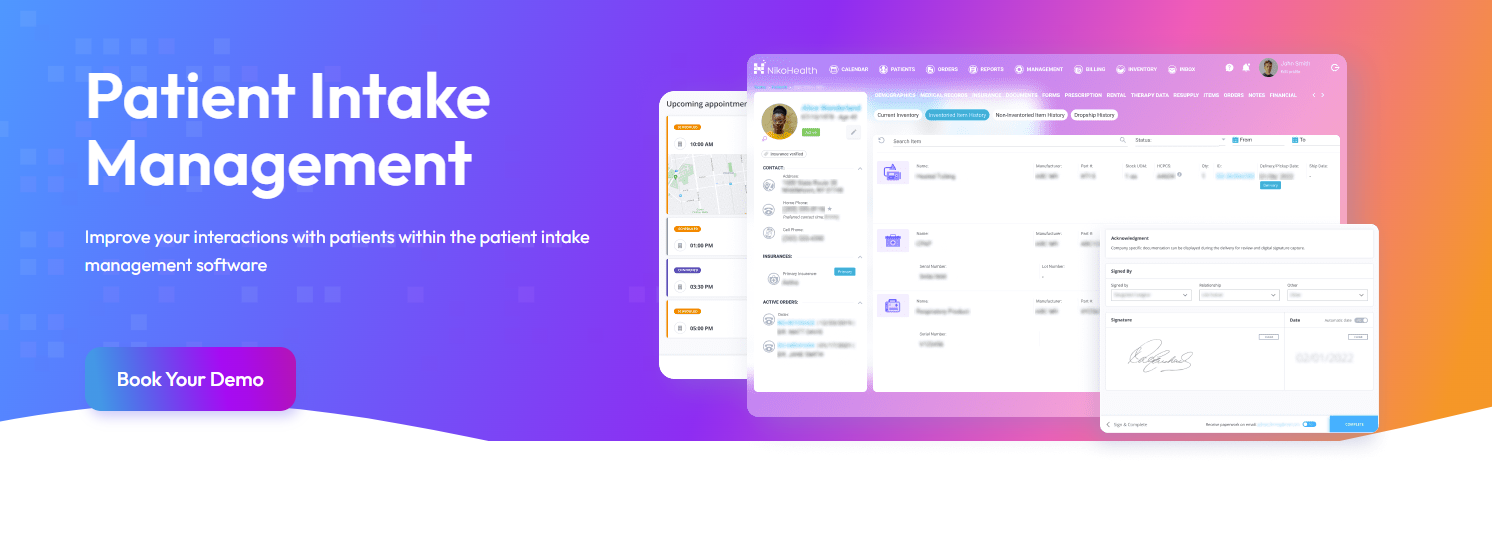
In modern healthcare systems, efficiency, accuracy, and patient experience are no longer optional—they are essential. One of the most critical stages in any healthcare journey is patient intake, the process where hospitals collect, verify, and organize patient information before diagnosis or treatment begins. Traditionally, this process has been paper-heavy, time-consuming, and prone to human error. Today, digital transformation is changing that reality through hospital patient intake software.
This technology is reshaping how healthcare providers manage administrative workflows, reduce waiting times, and improve patient satisfaction. In this article, we will explore what hospital patient intake software is, how it works, its benefits, key features, challenges, and future trends that will define the next generation of healthcare systems.
What Is Hospital Patient Intake Software?
Hospital patient intake software is a digital solution designed to automate and streamline the process of collecting patient information during registration and admission. Instead of relying on manual paperwork or fragmented systems, hospitals use centralized platforms to gather patient demographics, medical history, insurance details, consent forms, and preliminary symptoms.
The goal is simple: make the intake process faster, more accurate, and more patient-friendly while reducing administrative burden on healthcare staff.
This software is often integrated with broader healthcare systems such as:
- Electronic Health Records (EHR)
- Hospital Management Systems (HMS)
- Billing and insurance platforms
- Appointment scheduling tools
By connecting these systems, hospitals create a seamless flow of information across departments.
Why Patient Intake Matters in Healthcare
Patient intake is the first real interaction between a patient and a healthcare facility. It sets the tone for the entire care experience. If the process is slow, confusing, or repetitive, it negatively affects patient satisfaction.
Poor intake processes can lead to:
- Long waiting times
- Data entry errors
- Insurance claim issues
- Miscommunication between departments
- Staff overload and burnout
On the other hand, optimized intake processes improve:
- Patient experience
- Clinical accuracy
- Operational efficiency
- Revenue cycle management
This is why hospitals increasingly invest in digital transformation tools like hospital patient intake software.
How Hospital Patient Intake Software Works
The functionality of patient intake software is built around automation and centralized data management. While different systems may vary, most follow a similar workflow:
1. Pre-Registration
Patients can enter their information online before arriving at the hospital. This may include:
- Personal identification details
- Medical history
- Insurance information
- Reason for visit
2. Digital Forms and Verification
Instead of filling out paper forms, patients complete digital versions on tablets, kiosks, or mobile devices. The system can validate data in real-time, reducing errors.
3. Insurance Eligibility Checks
The software automatically verifies insurance coverage and eligibility, helping avoid billing issues later.
4. Triage and Prioritization
Some systems categorize patients based on urgency, helping medical staff prioritize care efficiently.
5. Integration with EHR Systems
All collected data is instantly stored in the patient’s electronic health record, making it available for doctors and specialists.
6. Check-In and Queue Management
Patients receive digital confirmation and are placed in an optimized queue, reducing waiting room congestion.
Key Features of Hospital Patient Intake Software
To understand its value, it’s important to look at the core features that make this software essential for modern healthcare organizations.
1. Digital Registration Forms
Replace paper-based forms with customizable digital templates that patients can fill out anytime.
2. Automated Data Validation
The system detects missing or incorrect information in real-time, improving data accuracy.
3. E-Signature Support
Patients can sign consent forms electronically, eliminating paperwork delays.
4. Insurance Verification Tools
Instantly checks coverage status and reduces claim rejections.
5. Multi-Channel Access
Patients can complete intake forms via:
- Mobile apps
- Hospital kiosks
- Web portals
6. EHR Integration
Seamless synchronization with electronic health records ensures that clinicians always have up-to-date information.
7. Appointment Scheduling Integration
Allows patients to book, reschedule, or confirm appointments during the intake process.
8. Security and Compliance
Ensures compliance with healthcare regulations such as HIPAA or GDPR, protecting sensitive patient data.
Benefits of Hospital Patient Intake Software
Implementing hospital patient intake software delivers significant advantages for both healthcare providers and patients.
Improved Patient Experience
Patients no longer need to fill out repetitive forms in waiting rooms. Digital intake makes the process faster and more convenient.
Reduced Administrative Workload
Automating data entry and verification allows staff to focus on more important tasks like patient care.
Faster Check-In Process
Hospitals can significantly reduce waiting times by streamlining registration.
Fewer Errors in Patient Data
Manual entry often leads to mistakes. Automation ensures higher accuracy and consistency.
Better Clinical Decision-Making
Doctors receive complete and accurate patient information before consultations begin.
Increased Operational Efficiency
Departments can coordinate more effectively when data is centralized and easily accessible.
Improved Revenue Cycle Management
Accurate insurance verification and documentation reduce claim denials and billing issues.
Challenges in Implementing Patient Intake Software
Despite its benefits, implementing hospital patient intake software comes with certain challenges.
High Initial Costs
Developing or purchasing advanced systems can be expensive, especially for small healthcare providers.
Staff Training Requirements
Employees need time and training to adapt to new digital systems.
Data Security Concerns
Healthcare data is highly sensitive, requiring robust cybersecurity measures.
Integration Complexity
Connecting intake software with existing hospital systems can be technically challenging.
Resistance to Change
Some staff and patients may prefer traditional methods and resist digital adoption.
Real-World Use Cases
Hospital patient intake software is used across various healthcare environments, including:
Large Hospitals
Used to manage high patient volumes and reduce congestion in emergency and outpatient departments.
Private Clinics
Helps streamline appointment-based workflows and improve patient experience.
Telemedicine Platforms
Supports online patient onboarding before virtual consultations.
Specialty Care Centers
Assists in collecting detailed medical histories for specialized treatments like cardiology or oncology.
The Role of AI in Patient Intake Systems
Artificial intelligence is becoming a powerful enhancement for hospital patient intake software. AI-driven systems can:
- Predict patient no-shows
- Automatically categorize symptoms
- Detect anomalies in patient data
- Provide chatbot-based intake assistance
- Improve scheduling efficiency
For example, AI chatbots can guide patients through intake forms in real time, making the process more interactive and less confusing.
Future Trends in Hospital Patient Intake Software
The future of healthcare intake systems is moving toward full automation and personalization. Key trends include:
1. Mobile-First Intake Systems
More patients will complete intake processes through smartphones and apps.
2. Voice-Enabled Data Entry
Voice recognition will allow patients to provide information verbally.
3. Predictive Analytics
Systems will anticipate patient needs based on historical data.
4. Blockchain for Data Security
Blockchain may be used to enhance the security and transparency of patient records.
5. Fully Integrated Digital Hospitals
Intake systems will become part of fully connected hospital ecosystems where every process is automated and synchronized.
Why Hospitals Should Invest in Digital Intake Solutions
Healthcare is evolving rapidly, and patient expectations are rising. Hospitals that rely on outdated manual processes risk falling behind in both efficiency and quality of care.
Investing in hospital patient intake software helps organizations:
- Modernize administrative workflows
- Improve patient satisfaction
- Reduce operational costs
- Enhance clinical outcomes
- Stay competitive in a digital-first healthcare environment
Conclusion
Hospital patient intake software is no longer a luxury—it is a necessity for modern healthcare providers. By automating administrative processes, improving data accuracy, and enhancing patient experience, this technology plays a vital role in transforming healthcare delivery.
As hospitals continue to adopt digital solutions, intake systems will become more intelligent, integrated, and patient-centered. The future of healthcare depends not only on advanced medical treatments but also on efficient, seamless, and technology-driven administrative processes.